




-
Becas y convocatorias
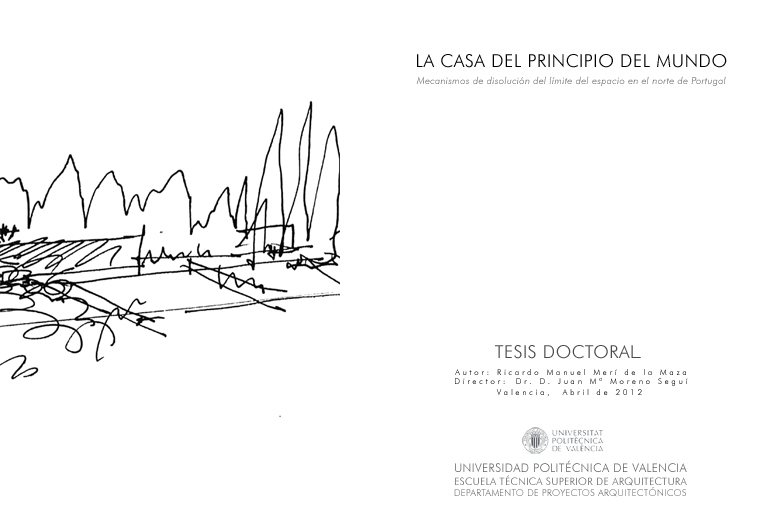
Resumen. LA CASA DEL PRINCIPIO DEL MUNDO. Mecanismos de disolución del límite del espacio en el norte de Portugal.
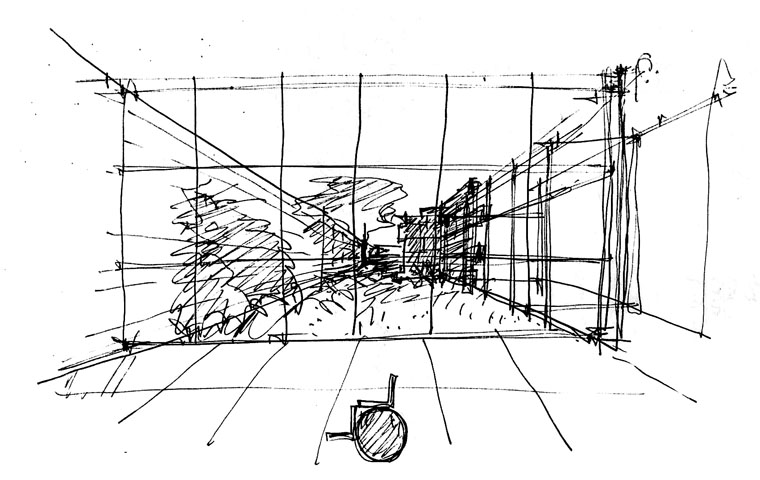
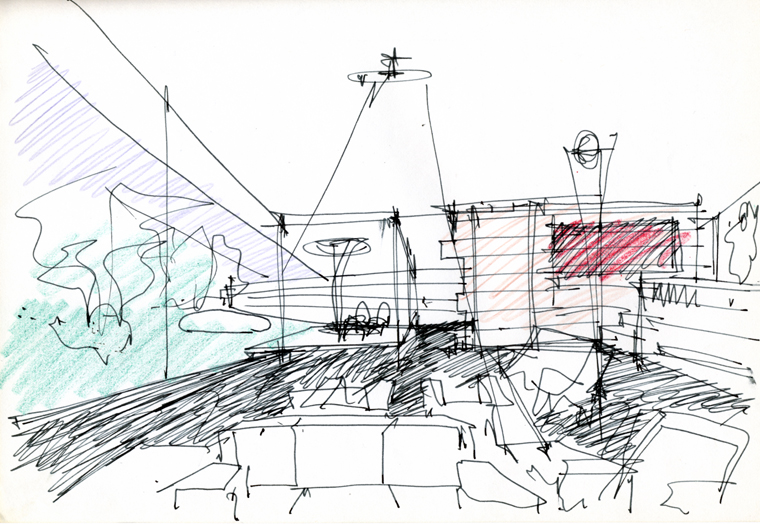
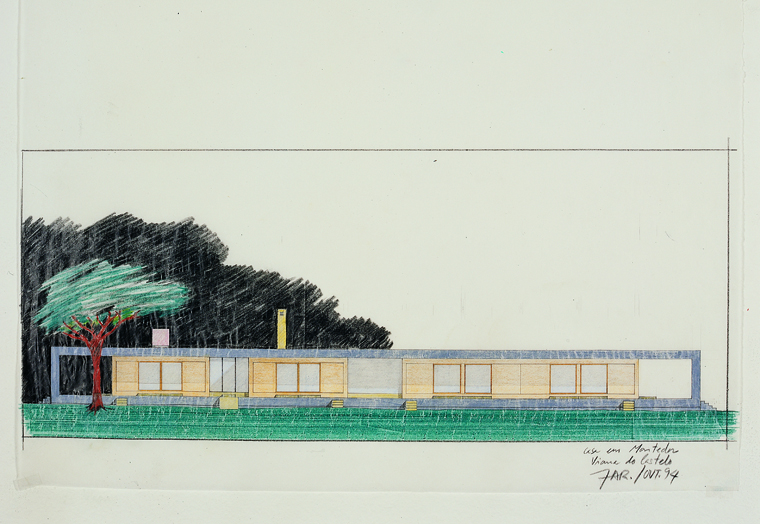
La modernidad arquitectónica trajo consigo una serie de consecuencias en la manera en la que la disciplina trabajaba las variables arquitectónicas. Quizás la más fundamental fuese la disolución de los diferentes sistemas que componen la propia arquitectura. Este hecho va a acompañar la aparición de nuevos paradigmas que van a ser perseguidos por los arquitectos a partir de entonces. Uno de ellos es la posibilidad de transformar las relaciones entre el espacio interior y exterior. La casa va a ser el campo de trabajo y experimentación por excelencia a lo largo del siglo XX, y en ella van a verse reflejadas muchas de estas inquietudes. Este trabajo recoge los planteamientos teóricos que dieron soporte al paradigma de la disolución del límite del espacio para ponerlos en relación con los mecanismos constructivos y visuales que permitieron alcanzar las metas buscadas. Para ello se parte del estudio de la vivienda moderna en tres de los grandes maestros de la primera mitad del siglo XX: Frank Lloyd Wright, Le Corbusier y Mies van der Rohe. Posteriormente se enlaza con la arquitectura portuguesa, para poder estudiar la permanencia y la evolución de los principios y de los mecanismos del oficio en la arquitectura doméstica del Norte de Portugal en la segunda mitad del siglo XX, centrándose en la obra de los arquitectos Fernando Távora, Álvaro Siza, Eduardo Souto de Moura y João Álvaro Rocha.
Abstract. THE HOUSE OF THE EDGE OF THE WORLD. Mechanisms of dissolution of the space limit in the north of Portugal.
The modern architecture brought a series of consequences for the way in which discipline was working architectural variables. Perhaps the most fundamental was the dissolution of the various systems that make up the architecture. This will accompany the emergence of new paradigms that will be pursued by the architects thereafter. One of them is the possibility to transform relations between the inner and outer space. The house would be the field of work and experimentation for excellence throughout the twentieth century, and it reflected many of these concerns. This work gather the theoretical principles that gave support to the dissolution of the boundary of space to put them in relation to construction and visual mechanisms that allowed achieving the sought results. For this, it starts from the study of modern housing in three of the great masters of the first half of the twentieth century: Frank Lloyd Wright, Le Corbusier and Mies van der Rohe. Subsequently it links with Portuguese architecture, to study the permanence and evolution of the principles and mechanisms of the discipline in the domestic architecture in northern Portugal in the second half of the twentieth century, focusing in the work of the architects Fernando Távora, Álvaro Siza, Eduardo Souto de Moura y João Álvaro Rocha.


Arquitecto
E.T.S. A - València - UPV
VALENTZIA | ESPAINIA