




-
Becas y convocatorias
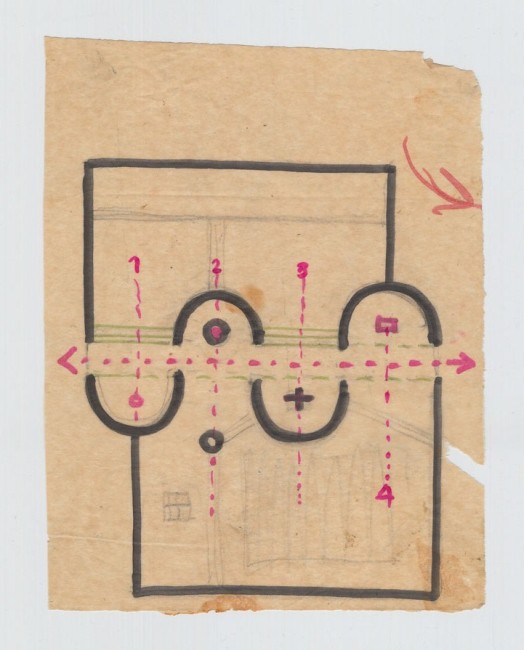
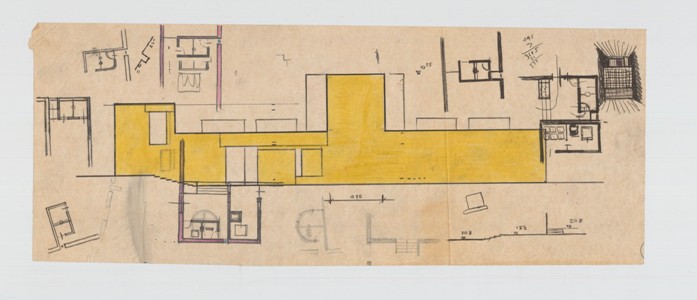
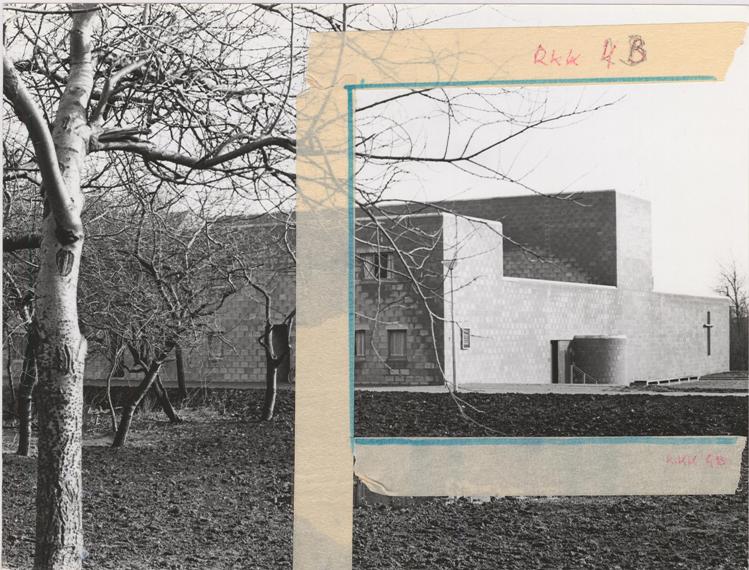
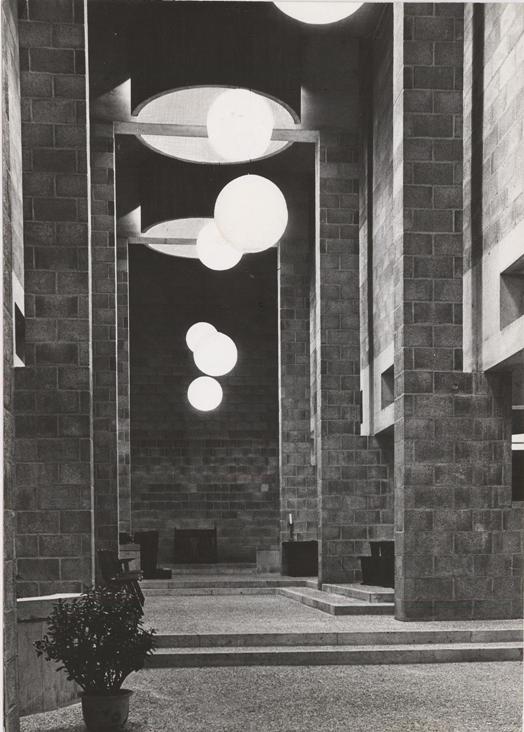
El protagonista fundamental de esta tesis doctoral es Aldo van Eyck. Tras una aproximación reflexiva al conjunto de su trayectoria, y en virtud de una convicción personal reforzada por el panorama arquitectónico de los últimos tiempos, el presente trabajo plantea el estudio del maestro neerlandés bajo el prisma de uno de sus rasgos más distintivos: la importancia del factor humano en la obra arquitectónica. En este sentido, la investigación profundiza en su punto de vista sobre la relación existente entre ‘arquitectura’ y ‘sociedad’, caracterizada por su idea de cómo los arquitectos (a través de sus proyectos) pueden —o deben— introducir mejoras significativas en los modos de vida de las personas (usuarios). Es decir, la tesis se ocupa de analizar el concepto de dimensión humana en la obra de Aldo van Eyck (Escritos y Arquitectura).
Se entiende aquí por ‘dimensión humana’ aquella consideración sensible por la forma en que los usuarios van a relacionarse con la propuesta de arquitectura, capaz de lograr una mejor comprensión de la esencia del ser humano y de la manera en que la vida se produce, y que se concreta, al proyectar, en el diseño de soluciones encaminadas a mejorar y potenciar sus valores y calidad de vida.
A este respecto, los términos “consideración” o “comprensión” recogen la idea de una reflexión significativa sobre la figura del usuario, vertebradora por tanto del concepto de dimensión humana, y fruto de una sensibilidad e interés previo por las cuestiones sociales en arquitectura. Por su parte, aludir a la relación que se establece entre el proyecto y las personas evidencia que existe un intercambio, un recorrido de ida y vuelta entre ambos, de manera que el arquitecto —a través de la observación y el sentido crítico— llega a entender en profundidad sus condiciones, para posteriormente tratar de elaborar propuestas orientadas a satisfacer las motivaciones y aspiraciones del ser humano.
Respecto al planteamiento general del trabajo, éste parte de la hipótesis de que las ideas y principios que caracterizaron el concepto de dimensión humana de Aldo van Eyck impulsaron el conjunto de su obra, reflejándose a través de sus textos, e influyendo en la elaboración de sus proyectos. En este sentido, y como refleja el propio subtítulo (“Escritos y Arquitectura”), la tesis se organiza a partir del estudio diferenciado de estas dos actividades intelectuales complementarias. De este modo, una vez identificadas a través de sus textos las claves de cómo van Eyck entendió la dimensión humana de la arquitectura, se busca reconocer su influencia en la configuración de uno de sus proyectos importantes: la iglesia católica Pastoor Van Ars en La Haya. No en vano, esta doble consideración de la obra escrita y la obra construida en el contexto de la investigación arquitectónica resulta más pertinente en este caso, a juzgar por el peso que una y otra tienen dentro de su producción y por la repercusión que ambas han tenido en la evolución del Movimiento Moderno.
Así, respecto a los textos, y partiendo de su consideración íntegra (lectura de toda la obra escrita original de van Eyck), el método empleado consiste en estudiar y analizar su discurso arquitectónico en busca de este concepto, proponiendo su caracterización a través de cinco capítulos que abordan sus principales rasgos. En cambio, respecto a la obra construida, y con la idea de poder acometer un estudio arquitectónico en profundidad, se propone el análisis de un único proyecto (su iglesia en La Haya) con el objeto de identificar el modo en que van Eyck concretó su concepto de dimensión humana, o lo que es lo mismo, en qué forma éste influyó sobre su labor como proyectista.
En cualquier caso, resultan fundamentales en la consecución de objetivos de la tesis la información arquitectónica original y los testimonios de primera mano recogidos en Los Países Bajos durante 2011 y 2012, gracias principalmente a una estancia investigadora en la Delft University of Technology junto a Max Risselada y Dirk van den Heuvel (así como otra en la Hogeschool van Amsterdam). Respecto al análisis arquitectónico de la iglesia, la información inédita recogida (gráfica en su mayoría) tiene su origen en la consulta de los tres archivos que albergan material sobre el edificio, destacando el archivo privado de Aldo van Eyck, al que se accede gracias a la colaboración de su hija Tess van Eyck Wickham.
Material inédito aportado por la tesis:
Unos 30 bocetos de la iglesia dibujados por Aldo van Eyck.
Unos 40 planos originales de la iglesia que sirven asimismo de referente para elaborar una propuesta de la evolución del proyecto.
Fotografías de los primeros años de la iglesia cedidas por la familia van Eyck.
Estudios fotográficos del edificio elaborados por Aldo y Hannie van Eyck.
Transcripción traducida al castellano de aproximadamente 27 citas originales del maestro neerlandés.
Transcripción traducida de la entrevista realizada al arquitecto Herman Hertzberger (abril 2012).
The main figure in this thesis is Aldo van Eyck. After a reflective approach to the whole of his career and according to a personal conviction reinforced by last times architectural scene, this work presents the study of Dutch master through the point of view of one of his most distinctive features: the importance of human factor in architectural work. In this way, the research studies in depth his vision into the relationship between ‘architecture’ and ‘society’, characterized by his idea on how architects (through their designs) can —and must— introduce significant improvements in people’s ways of life (or users’ ways of life). That is, this thesis aims to analyse the human dimension concept in Aldo van Eyck’s work (Writings and Architecture).
Is meant here by ‘human dimension’ that sensitive consideration on the way users will interact with the architectural work, able to achieve a better understanding of the essence of the human being and the way in which life occurs, and that materialises in designs of architecture oriented to improve and enhance his values and quality of life.
In this regard, the terms “consideration” or “understanding” represent the idea of a meaningful reflection on the figure of the user, being then an essential part of the human dimension concept and originated from a prior interest and sensitivity for social issues in architecture. On the other hand, referring to the relationship established between the architectural project and people evidence that there is and exchange, a go and return journey between the two, so that the architect —through observation and critical— reaches to deeply understand its conditions and later try to develop designs aimed to satisfy people’s motivations and hopes.
With regard to the general approach of the work, this starts from the hypothesis that the ideas and principles which characterized Aldo van Eyck’s human dimension concept drove the whole of his work, remaining reflected through his writings and influencing the design of his projects. In this sense and as shown in the very subtitle (“Writings and Architecture”), the thesis is organized from the study of these two complementary intellectual activities. Thus, once the key to how Van Eyck understood the human dimension of architecture has been identified through his texts, the aim is to recognize its influence in form of one of his major projects: the Pastoor Van Ars Roman Catholic church in The Hague. Not in vain, this double consideration (written work and built work) in the context of architectural research seems to be more relevant in this case, considering the weight both of them have within his architectural production and the impact they had in the evolution of Modernism.
Thus, in respect to his writings and based on its entire consideration through the reading of Van Eyck’s whole work, the method used is to study and analyse his architectural discourse in search of this concept, proposing its characterization through five chapters addressing its main features. However, in respect to his buildings and with the idea of being able to undertake an in depth architectural study, the research proposes the analysis of a single project (his church in The Hague) in order to identify the way Van Eyck put into practice his human dimension concept, or in other words, how this influenced his work as an architect.
In any case, are essential in achieving the objectives of the thesis the original architectural information and the firsthand testimonies gathered in The Netherlands during 2011and 2012, mainly thanks to a research stay at the Delft University of Technolgy with Max Risselada and Dirk van den Heuvel (as well as another one at the Hogeschool van Amsterdam). Regarding the church architectural analysis, the unpublished information collected (mostly graphic) comes from the visit to the three archives keeping material on the building, being necessary to specially mention the private archive of Aldo van Eyck where it was possible to access thanks to the collaboration of his daughter Tess van Eyck Wickham.
Unpublished material provided by the thesis:
About 30 sketches of the church drawn by Aldo van Eyck.
About 40 original drawings of the church which are also useful as a reference to develop a proposal on the project evolution.
Photographs of the early years of the church provided by the Van Eyck family.
Photographic studies on the building developed by Aldo and Hannie van Eyck.
Translated transcription into Spanish of approximately 27 Aldo van Eyck’s original quotes.
Translated transcription of the interview with architect Herman Hertzberger (April 2012).


Arquitecto
E.T.S. A - València - UPV
25.04.1979
VALENTZIA | ESPAINIA