




-
Becas y convocatorias
Sin duda alguna me atrevo a decir que las grandes ciudades históricas, salvo contadas excepciones, son portuarias. Ha sido el mar el que las ha ido generando y transformando a lo largo de la historia, actuando como vía de intercambio cultural y de flujos de población y mercancías, forjando un lugar plural y polivalente donde coexisten diversos paisajes y ambientes de distintas épocas.
La relación de estas ciudades con sus puertos ha ido cambiando a lo largo de la historia generando escenarios distintos. Sin embargo, el cambio tecnológico modificó profundamente la relación de estos lugares con sus puertos provocando en muchas ciudades el olvido de su condición portuaria, el importante papel que jugaron como parte de aquel inmenso engranaje que movía el mundo.
La posterior aplicación masiva del sistema de contenedores alteró el panorama competitivo de los puertos. Como eslabones de la cadena de transporte, estos siguen siendo indispensables, pero la interdependencia entre la ciudad y el puerto obedece a cada caso, pudiendo ir desde la total desconexión, a la reintegración de las actividades portuarias en la vida urbana de las ciudades.
Esta relación es uno de los paradigmas más importantes de la ciudad contemporánea. No hay un modelo único y simple de ciudad portuaria, se trata de un contexto dinámico que implica múltiples dimensiones.
En la mayoría de los casos ha existido un traslado de la actividad portuaria para hacer frente a las necesidades actuales, lo cual ha provocado la liberación de los muelles de aquel puerto histórico, que han sido desvelados y mostrados de nuevo a la ciudad recuperándolos para uso urbano.
Asistimos a la reconquista de aquel puerto que un día se encerró en sí mismo y que a través de las operaciones de Waterfront retorna a los ciudadanos.
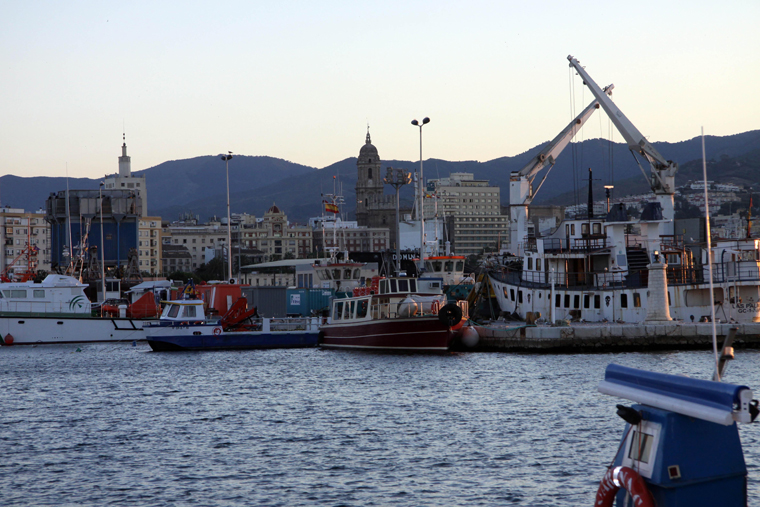
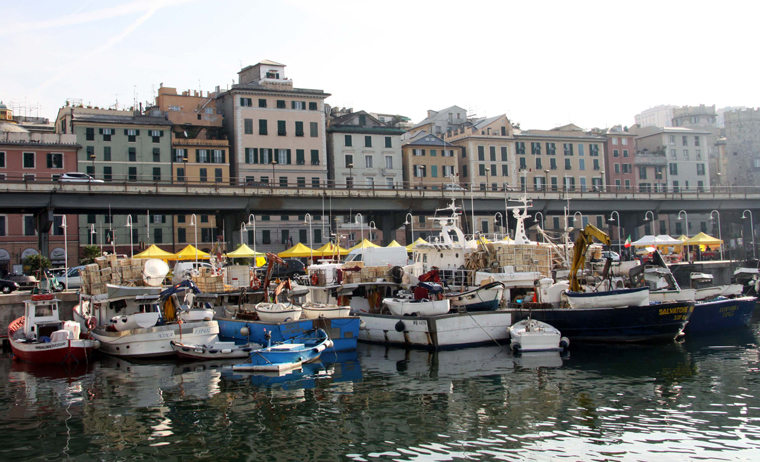
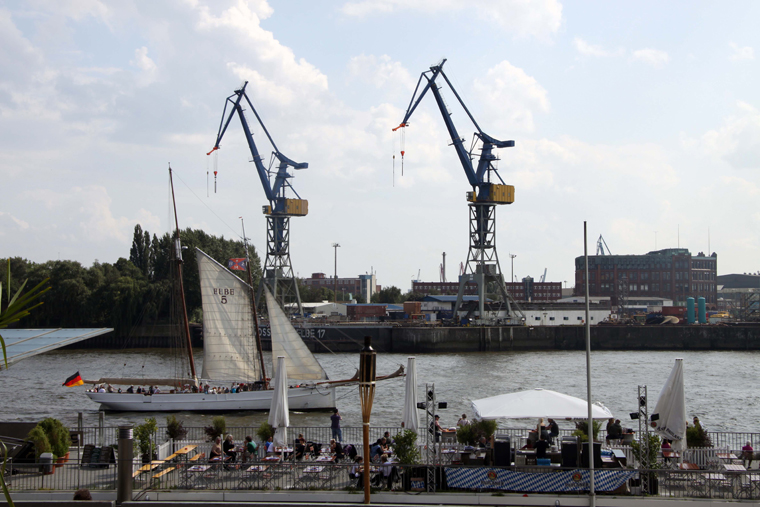
El problema está en cómo retorna, como un bonito paseo al borde del mar, quedando la ciudad portuaria reducida a ciudad costera, o como un puerto operativo, que sigue manteniendo su vocación y que a través de su presencia plantea el reto de una convivencia y una fluida relación entre puerto y ciudad.
Vivimos en un momento donde las ciudades también entran en la dinámica competitiva. Qué mejor forma de distinguirse que a través de la identidad del lugar.
Las ciudades que aún mantienen su puerto operativo en ellas, ansían poder recuperar ese espacio único, con demasiadas tentaciones, que las conducen a luchar por el exilio del puerto. Pero no perciben que ese puerto es el que verdaderamente puede potenciar el desarrollo de la ciudad a través de su propia identidad.
Tanto los puertos como las ciudades llevan un camino paralelo hacia la sostenibilidad. Los puertos, con una importante gestión medioambiental, y la ciudad, en busca del modelo histórico complejo y compacto. Hace años, la convivencia entre el puerto activo y la ciudad era impensable, pero hoy en día, estas líneas paralelas pueden converger en la recuperación de la ciudad portuaria, la búsqueda conjunta de una mejor calidad de vida.
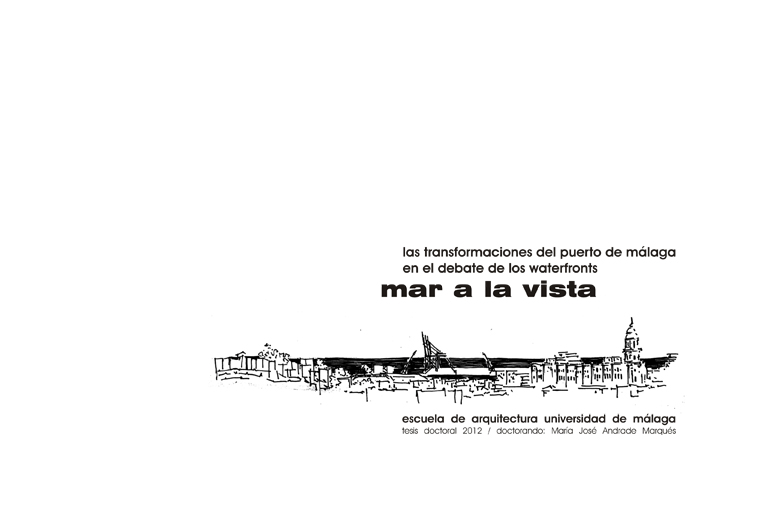
La integración de áreas portuarias operativas es un reto difícil, una situación que resulta conflictiva pero a su vez tremendamente interesante y fructífera para ambas realidades. Es en esta búsqueda de equilibrios entre el puerto y la ciudad, en la convivencia, donde se sitúa esta tesis.
Es la oportunidad de analizar las diversas experiencias, tantas ciudades que han sido potenciadas por sus puertos hacia un desarrollo común, y debatir sobre sus oportunidades tanto para el puerto como para la ciudad, en definitiva, para la ciudad portuaria.
Las ciudades portuarias desde sus orígenes forman parte de una red, un sistema de rutas que las ha relacionado a lo largo de la historia a escala mundial. Es por ello que esta investigación no se ha podido limitar al estudio de Málaga sin hacer una referencia constante al ámbito internacional. Y ha sido esta continua mirada al exterior la que nos ha enseñado a descifrar las acciones y reacciones locales de esta ciudad.
Se realiza un estudio exhaustivo de doce ciudades portuarias europeas, llegando a obtener una serie de acciones consideradas como Buenas Prácticas que nos proporcionan la mesura de lo intangible, la relación puerto-ciudad.
Fue aprendiendo de todo lo aprehendido, durante ese extenso recorrido, como aparecieron una serie de pautas, de acciones emprendidas por estas ciudades portuarias para dar respuesta a los problemas comunes, globales, a los que se enfrentan, cada una adaptada a su contexto local.
No doubt, I dare say that the great historic cities, with few exceptions, are port. It has been the sea, and by extension rivers, the one that has been generating them and transforming along the history, acting as route of cultural exchange and of flows of population and goods, forging a plural and polyvalent place where there coexist diverse landscapes and environments of different epochs.
The relationship of these cities with their ports has changed throughout history generating different scenarios, without losing the particular landscape and maritime life that still resonates in its people.
However, the technological change has profoundly modified the geography and the relation of these places with his ports, provoking in many cities the oblivion of his port condition, the important paper that they played along the history forming a part of that immense gear that was moving the world.
The mass application of containerization altered the competitive landscape of seaports. As links in the transport chain, seaports remain indispensable, but port-city interdependence depends on every case, being able to go from the total disconnection to the reintegrating port activities in the urban life of the cities.
This relation is one of the most important paradigms of the contemporary city. There is therefore no single simple model of the port city; it is a question of a dynamic context which implies multiple dimensions.
In most cases a movement has existed, in major or minor degree, of the port activity to face to the current needs, which has led the liberation of the wharves of that historic port, which have been revealed and showed again to the city recovering them for urban use.
We are witnessing since the reconquest of that port that one day locked up in itself and through Waterfront operations returning citizens.
The problem is how returns, as a nice walk on the edge of the sea, leaving the port city reduced to coastal city, or as an operating port, which still maintains its vocation and through its presence raises the challenge of coexistence and a fluid relationship between port and city.
We live in a time where the cities also enter in competitive dynamics, which is such a successful way of being distinguished using the local identity.
Cities that still retain its operating port in them, are eager to recover that single space, land of great real estate value, next to the sea and the historic center. Too many temptations that lead them to fight for the exile of the port. But they do not perceive that port is one that truly can enhance the development of the city through its own identity.
The integration of operational port areas is a difficult challenge, a situation which is conflict but in turn extremely interesting and fruitful to both realities.
Both ports and cities take a parallel path towards sustainability. On the one hand, ports employing an important environmental management, meanwhile, cities work to this end by reducing the private traffic, limiting the extension of the city boundaries... Today, these parallel lines can converge in the recovery of the port city, the joint search for a better quality of life.
The integration of operational port areas in cities is a difficult challenge, a situation which is a conflict but in turn extremely interesting and fruitful for both sides.
It is in this searching for balance between the port and the city, in coexistence, where this thesis is. It is the opportunity to analyze the diverse experiences, to so many other cities that have been supported by their ports to a common development, and discuss their opportunities for both the port and the city, ultimately, to the port city.
Port cities since its origins are part of a network, a system of routes that has linked them throughout history, a true gear worldwide. It is for this reason that this research has not been able to limit the study of Malaga without constant reference to the international area. And this continuous view abroad which has taught us to decipher the local actions and reactions of this city.
Performing a depth study of twelve European port-cities, getting to obtain a series of actions considered as good practices that give us the moderation of the intangible, the relationship between port and city.
It was learning from all apprehended, during that long journey, how appeared a series of guidelines, actions undertaken by these port cities to respond to the common, global, problems, that they face, each one adapted to their local context.


Arquitecto
E.T.S. A - Sevilla - US
MÁLAGA | ESPAINIA