




-
Becas y convocatorias
La Casa de campo de la Alameda de la condesa duquesa de Benavente. Estudio de la influencia de una biblioteca en la concreción de una obra.
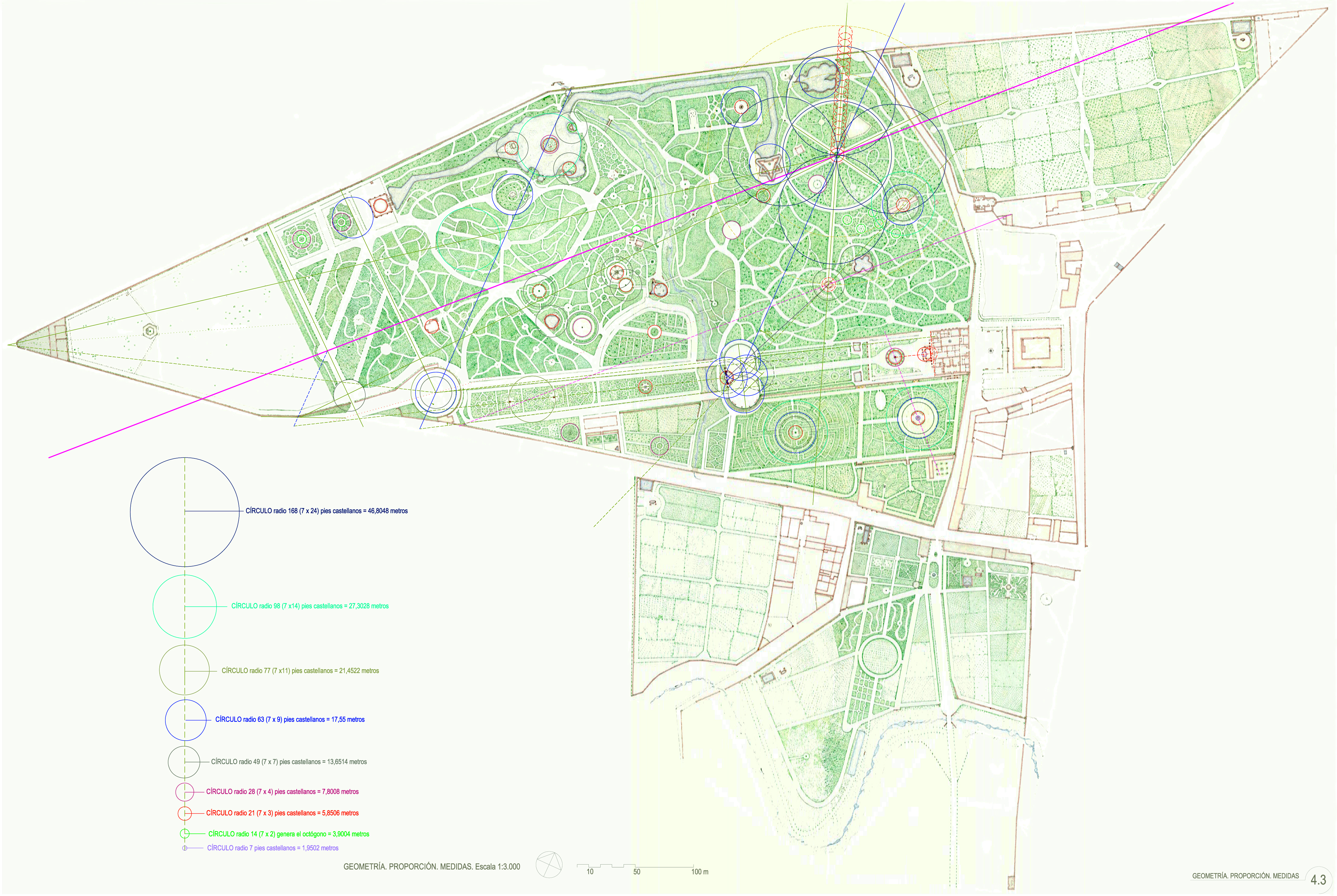
La Casa de campo de la Alameda de la condesa duquesa de Benavente, de la que actualmente se conserva el jardín, conocido como jardín histórico “El Capricho”, situado en la Alameda de Osuna en Madrid, era la posesión o villa suburbana de María Josefa de la Soledad Alonso Pimentel y Téllez Girón (1752-1834), XV condesa y XII duquesa de Benavente y de su marido, Pedro Alcántara Téllez Girón (1755-1807), IX duque de Osuna.
La formación de dicha Casa de campo se desarrolló durante un intervalo de tiempo que comenzó en 1779, mediante la intervención de un equipo de profesionales o maestros de distintas disciplinas: arquitectos, jardineros, escultores, pintores, un escenógrafo y maestros en ingeniería hidráúlica, que en vida de la condesa duquesa de Benavente eran dirigidos directamente por ella y que experimentó una sucesión de transformaciones en paralelo a los acontecimientos históricos y a los sucesivos cambios de propietario hasta su adquisición por el ayuntamiento de Madrid y su restauración por la Escuela taller Alameda de Osuna.
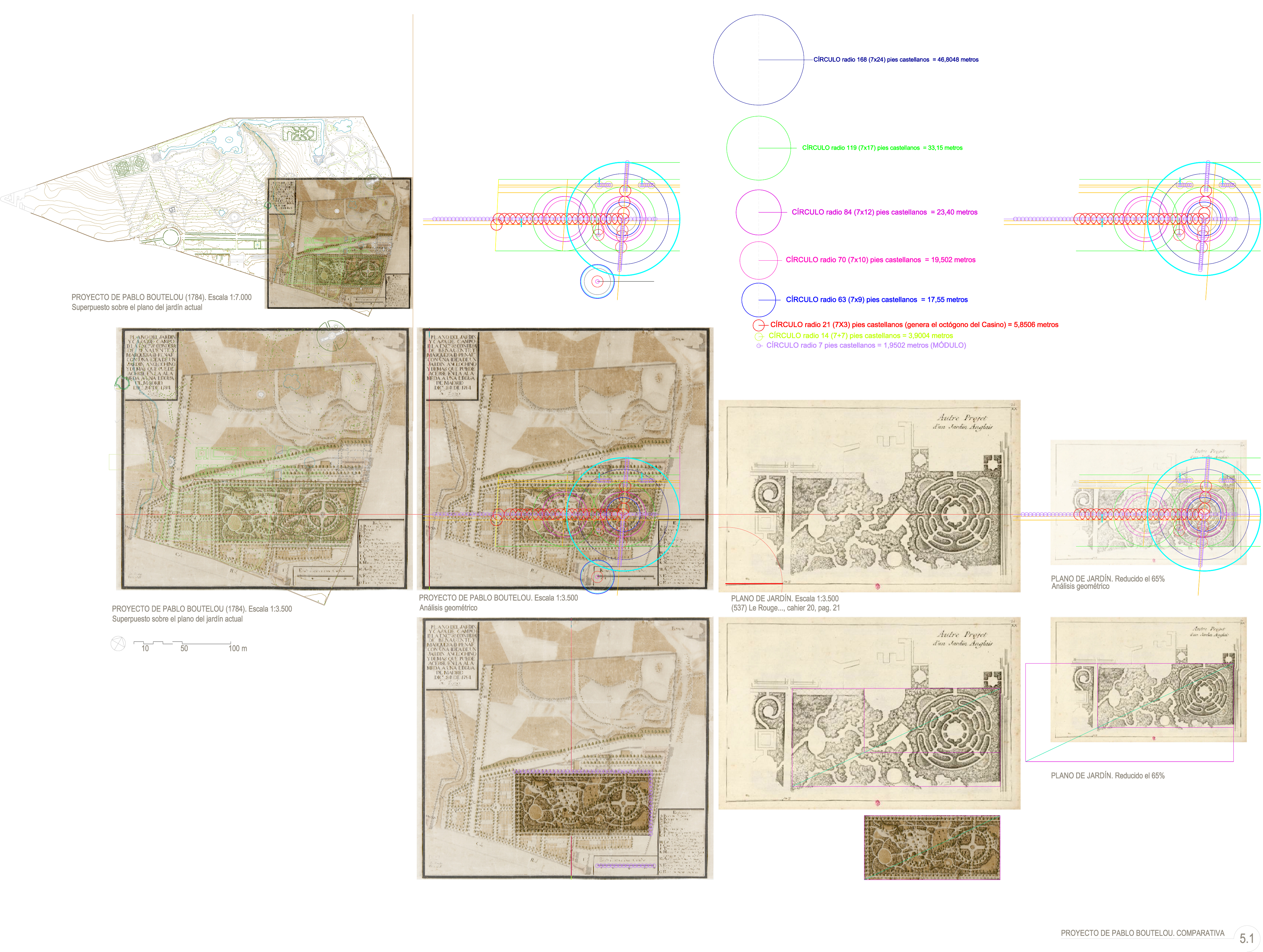
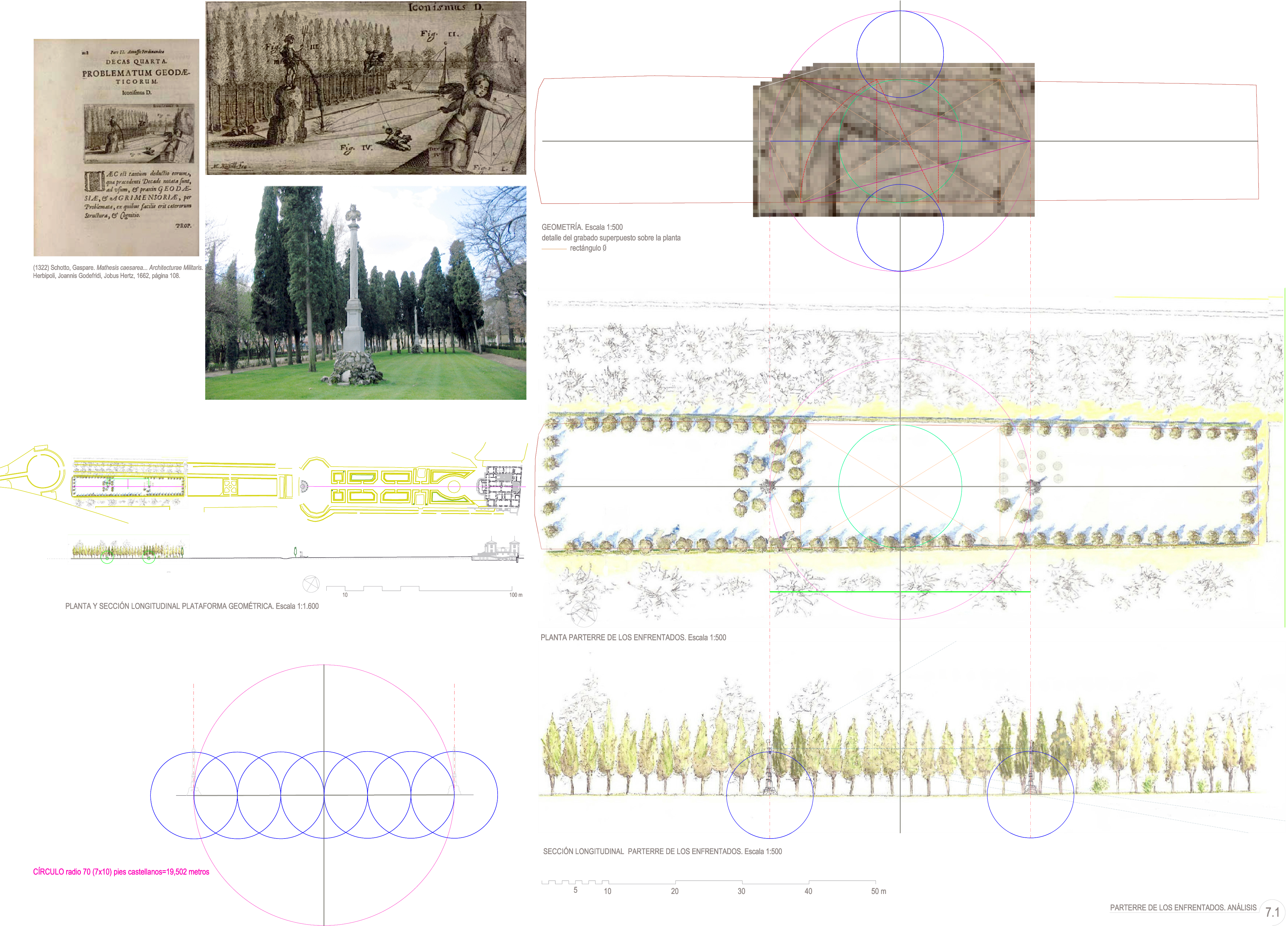
El objetivo propuesto con esta investigación es el estudio de la generación de una Casa de campo a través de una biblioteca, analizando las relaciones de causa-efecto existentes entre determinadas imágenes y textos de los libros de la biblioteca que poseyeron los IX duques de Osuna con el diseño del jardín, construcciones y posesión en su conjunto, a la que denomino Casa de campo de la Alameda, por tanto el entendimiento del contenido de la biblioteca como una herramienta de proyecto de la voluntad de creación de una obra.
Los IX duques de Osuna poseyeron una magnífica biblioteca, que posiblemente comenzó con la herencia de la biblioteca de la casa de Benavente, formada en el siglo XV y continuada por sus sucesores; esta biblioteca se fragmentó tras la quiebra de la casa ducal a finales del XIX, por lo que he tenido previamente que reconstruir su contenido utilizando fuentes primarias.
Duchess Countess of Benavente´s Country House in the Alameda. Study of the influence of the library in the realization of a work.
The Duchess Countess of Benavente´s Country House in the Alameda, of which at present the garden is regarded as historical today known as “El Capricho”. Located in Alameda de Osuna in Madrid, it was the possession or suburban villa of María Josefa de la Soledad Alonso Pimentel y Téllez Girón (1752-1834), XV countess and XII duchess of Benavente and of her husband, Pedro Alcántara Téllez Girón (1755-1807), IX duke of Osuna.
The formation of the said Country House took place during an interval that began in 1779, by a team of professionals and teachers mastering different disciplines: architects, gardeners, sculptors, painters, one stage designer and hydraulic engineering teachers, who during the Duchess Countess’ lifetime were directled by herself, thus experiencing a series of transformations parallel to the historical events that were taking place and to the successive ownerships until its acquisition by the City of Madrid and its restauration by the Alameda de Osuna School.
The purpose of this research is the study of the development of a country house through its library, analyzing the cause-effect relationships existing between certain images and texts of the books of the library owned by the IX Dukes of Osuna, with garden design, buildings and estate as a whole, that I refer to as the Country House of Alameda, therefore the contents of the library should be understood as a tool to carry out the project of creating a work of art.
The IX Dukes of Osuna possesed a magnificent library, that possibly began with the inheritance of the library of the House of Benavente which started in the finfteenth century and nursed by their heirs; this library was scattered after the bankruptcy of the Ducal House by the end of the nineteenth century,for which reason I've had to previously rebuild its contents using primary sources.
Duchess Countess of Benavente´s Country House in the Alameda. Study of the influence of the library in the realization of a work.
The Duchess Countess of Benavente´s Country House in the Alameda, of which at present the garden is regarded as historical today known as “El Capricho”. Located in Alameda de Osuna in Madrid, it was the possession or suburban villa of María Josefa de la Soledad Alonso Pimentel y Téllez Girón (1752-1834), XV countess and XII duchess of Benavente and of her husband, Pedro Alcántara Téllez Girón (1755-1807), IX duke of Osuna.
The formation of the said Country House took place during an interval that began in 1779, by a team of professionals and teachers mastering different disciplines: architects, gardeners, sculptors, painters, one stage designer and hydraulic engineering teachers, who during the Duchess Countess’ lifetime were directled by herself, thus experiencing a series of transformations parallel to the historical events that were taking place and to the successive ownerships until its acquisition by the City of Madrid and its restauration by the Alameda de Osuna School.
The purpose of this research is the study of the development of a country house through its library, analyzing the cause-effect relationships existing between certain images and texts of the books of the library owned by the IX Dukes of Osuna, with garden design, buildings and estate as a whole, that I refer to as the Country House of Alameda, therefore the contents of the library should be understood as a tool to carry out the project of creating a work of art.
The IX Dukes of Osuna possesed a magnificent library, that possibly began with the inheritance of the library of the House of Benavente which started in the finfteenth century and nursed by their heirs; this library was scattered after the bankruptcy of the Ducal House by the end of the nineteenth century,for which reason I've had to previously rebuild its contents using primary sources.



Arquitecto
E.T.S. A - Madrid - UPM
MADRID | ESPAÑA