




-
Becas y convocatorias
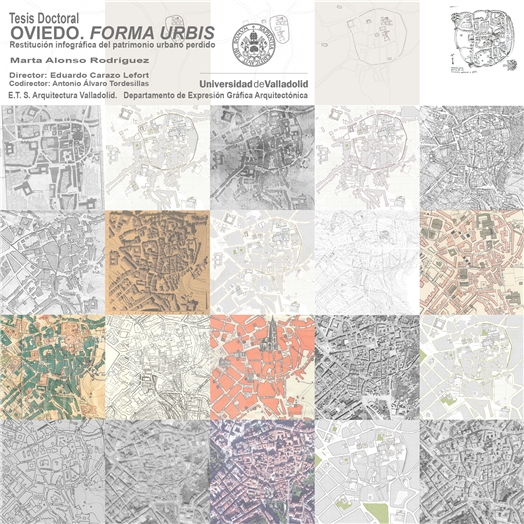
La capacidad evocadora de nuestros centros históricos, ha llevado, en los últimos tiempos, a considerarlos objeto de investigación científica; superando, sino contradiciendo, la visión romántica que los puso en valor desde finales del siglo XVIII en occidente.En este sentido, y considerando tambien las actuales circunstancias socioeconómicas de la sociedad postindustrial del siglo XXI, pensamos que los estudios sitemáticos de los centros históricos, bien podrían trascender del mero territorio académico en el que un trabajo como el presente se enmarca, para perseguir con claridad una aportación científica en beneficio de un objeto artístico que seguramente puede con ellos devenir tambien en motor económico y social. Así pues, el presente trabajo se enmarca dentro de una dinámica mantenida y progresivamente consolidada dentro de las universidades europeas, que abordan, cada vez con mayor rigor científico aunque desde muy diversas perspectivas, el conocimiento de los abundantes y ricos núcleos urbanos históricos que conforman geográficamente el entorno en el que vivimos.
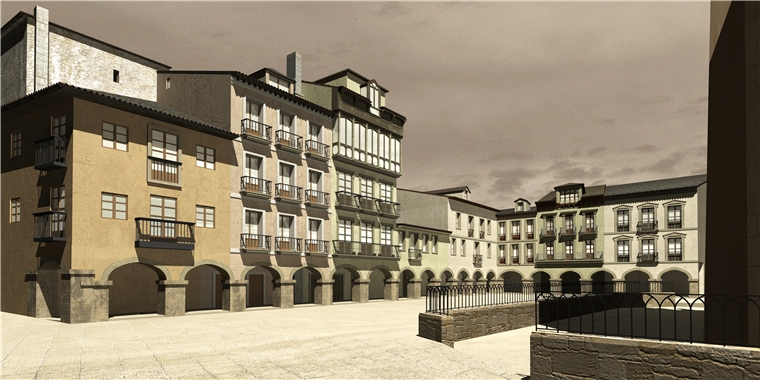
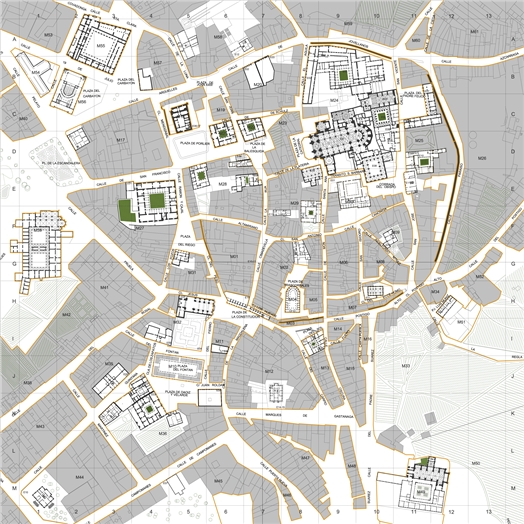
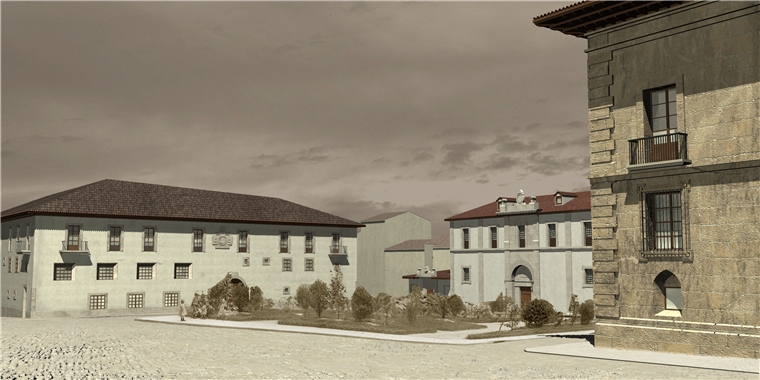
El trabajo de investigación se centra en la restitución de la forma urbana de la ciudad de Oviedo en una serie de etapas, marcadas por la información cartográfica obtenida durante el periodo de estudio y que supongan cambios sustanciosos para la estructura urbana de la ciudad.
Pretende ser un análisis histórico de la transformación urbana. Se establece un estudio sistemático de momentos anteriores, en los que la forma urbana configuró el espacio de distintas maneras a las que hoy podemos contemplar. Partiendo de la situación actual del centro histórico de Oviedo, y del análisis de sus patologías a lo largo de la historia, se ha considerado la posibilidad de un estudio metódico de etapas pasadas.
Si el objetivo del trabajo es reflejar la parte más antigua del centro histórico de la ciudad en momentos temporales de su desarrollo, que corresponden a su vez a otros tantos planos, el método de realización se inicia precisamente en la obtención de esos planos, con la condición necesaria de que se mantengan en ellos determinados referentes en aquéllos puntos o elementos urbanos donde no se han producido alteraciones entre las etapas y que perduren en la actualidad.
El fin del trabajo es obtener una base topográfica encadenada de los momentos urbanos a representar, manteniendo las correspondencias exactas que permitan estudiar los cambios producidos en la ciudad antigua durante las etapas marcadas en el estudio. Su recreación, nos permitirá evidenciar la importancia del patrimonio histórico de la ciudad y poder así de nuevo tenerse en cuenta, en vistas tanto a su puesta en valor, como a futuros tratamientos e intervenciones sobre la trama urbana heredada.
El dibujo de reconstrucción, pese a tener el inconveniente de poder caer en una reproducción idealista, nos permite poder contemplar el cómo estaba configurada la ciudad en tiempos pasados. Con todo ello no se pretende poner de manifiesto el que todo lo realizado en la ciudad sea condenable, ni el que la ciudad antigua que se pretende recrear sea el modelo ideal que parece presentarse, si no el exponer que para alcanzar los modos de vida actuales, pueden haberse perdido otras cualidades de la ciudad histórica, que, a través de su reproducción, pueden de nuevo considerarse, en vistas tanto a su puesta en valor, como a futuros tratamientos e intervenciones.
The evocative capacity of our historic centers, has led in recent times to consider the subject of scientific research; beating, but contradicting the romantic vision that put in value since the late eighteenth century occidente.En this regard, and also considering the current economic circumstances of the post-industrial society of XXI century, we think sitemáticos studies of historic centers, They could well transcend the mere academic territory in which a job like this is framed, to pursue a scientific contribution clearly in favor of an art object that can surely becoming them also in economic and social engine. Thus, the present work is part of a sustained dynamic and progressively consolidated in European universities, which deal with ever greater scientific rigor but from different perspectives, knowledge of the abundant and rich historical towns that make up geographically the environment in which we live.
The research work focuses on the restoration of the urban form of the city of Oviedo in a series of stages, marked by the map data obtained during the study period and involving substantial changes to the urban fabric of the city.
Intended to be a historical analysis of urban transformation. A systematic study of earlier times, where the urban form configured space in different ways that we can see today is established. Based on the current situation in the historic center of Oviedo, and the analysis of their diseases throughout history, it has considered the possibility of a methodical study of past stages.
If the aim of this work is to reflect the oldest part of the historic center of the city in temporary stages of development, which in turn correspond to as many planes, the method of implementation begins precisely in achieving these levels with the necessary that they remain in certain references in those points or urban elements where there have been no changes between stages and currently endure condition.
The end of labor is to obtain a topographic base of urban chained to represent moments, keeping exact matches for the study of changes in the old city during the stages marked in the study. Recreation, it allows us to demonstrate the importance of the historical heritage of the city so we can again be considered, in view of both its value as to future treatments and interventions on inherited urban fabric.
Drawing reconstruction, despite the inconvenience of having to fall into an idealistic reproduction allows us to contemplate how the city was formed in the past. Yet it is not intended to show that everything done in the city to be condemned, nor the ancient city that aims to recreate the ideal model that seems to appear, otherwise expose it to meet current lifestyles , other qualities of the historic city, which, through their reproduction, may again be considered, in view of both its value as to future treatments and interventions can be lost.


Arquitecto
E.T.S.A - Valladolid - UVA
VALLADOLID | ESPAÑA