




-
Becas y convocatorias
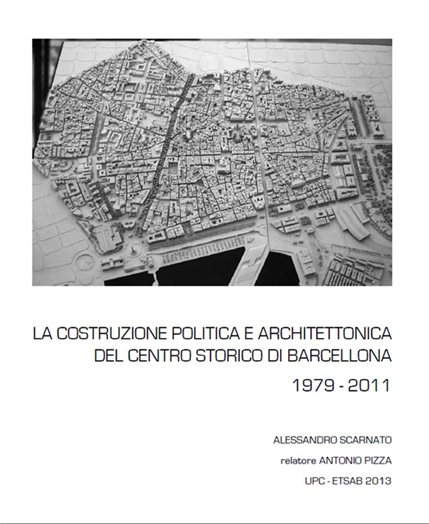
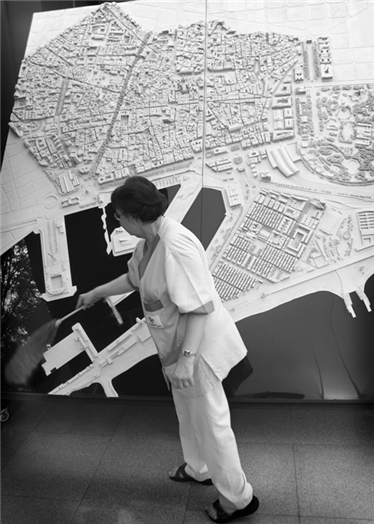
La tesis es una investigación sobre la transformación urbana y social del centro histórico de Barcelona entre 1979 y 2011. El tribunal de tesis le ha otorgado el máximo cum laude.
En este trabajo he investigado 32 años de evolución política, social y urbana manteniendo la disciplina arquitectónica como protagonista principal, pero no única, de los acontecimientos.
Con su primera administración democrática, en 1979, Barcelona inició un proceso de reconstrucción física y política que le permitió albergar a los Juegos Olímpicos de 1992, convirtiéndose en un referente mundial de la arquitectura y dando el empuje para su irresistible ascenso en el turismo global.
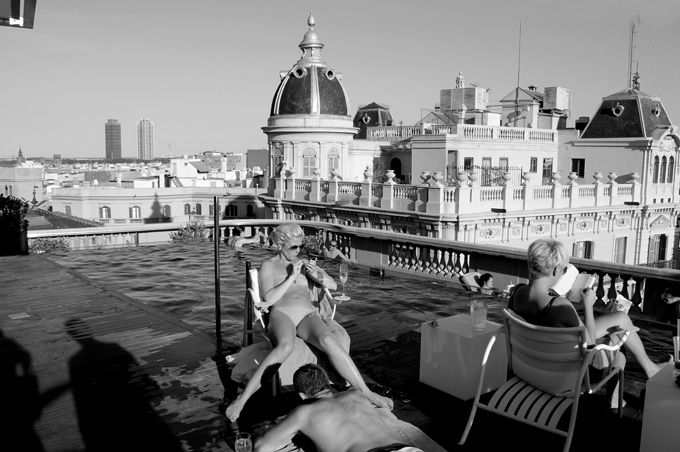
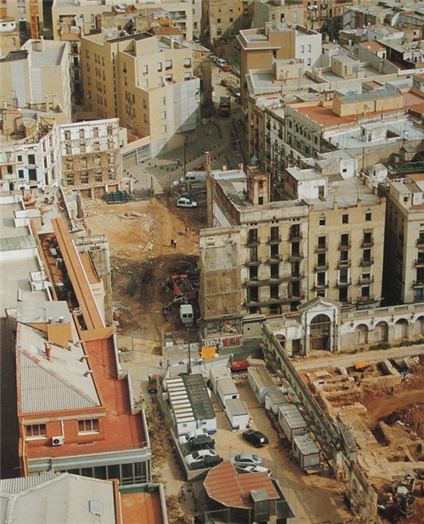
En la “reconstrucción de Barcelona”, la renovación del centro histórico ha sido la actuación que primera generó interés internacional por su atención a la morfología urbana pero también la que pronto se convirtió en la más polémica, debido a su magnitud y a la complejidad del proceso, desarrollado bajo el inicial intento de mantener los residentes originales. Sin embargo, la reforma significó la demolición, sustitución o renovación de un buen 30 % de todo el tejido histórico y no ha podido evitar grandes polémicas: el escaso diálogo entre nueva y vieja arquitectura; el repentino aparecer de comunidades multiétnicas; la llamada gentrificación de un centro cada vez más turístico.
A finales de los Noventa, el problema de la ciudad vieja ya iba más allá de la consueta contraposición entre conservación e innovación, sino que surgieron interrogantes sobre el modelo de ciudad que se quería lograr, también considerando la contemporánea preparación del Fòrum Universal de las Culturas 2004, un gran evento cuyo sentido urbano no acababa de quedar claro.
A los primeros éxitos de las administraciones Serra y Maragall, siguieron críticas y perplejidades bajo los alcaldes Clos y Hereu. Al mismo tiempo, la nítida visión urbana de sus iníciales asesores Bohigas y Busquets se fragmentó en un equilibrio no siempre resuelto entre el recurso a las arquistar, por un lado, y obras a menudo anodinas de un colectivo profesional que poco a poco se había alejado de la sociedad.
La tesis presenta documentos inéditos, resultados de una profunda investigación en archivos locales, tanto públicos como privados. La tesis (al 70% en italiano, al haber optado por la mención internacional, y el 30% en castellano y catalán) está escrita de una forma muy fluida y, pese a la enorme cantidad de datos, es agradable de leer gracias a una estructura narrativa articulada en historias menores que se insertan dentro del recorrido principal componiendo así un relato histórico claro y orgánico. Los momentos más estrictamente arquitectónicos están concentrados en ocho fichas sobre proyectos puntuales (como la Rambla del Raval, el Fossar de les Moreres o la plaza de la Mercè). Completan el trabajo tres entrevistas a figuras clave como el escritor Manuel Vázquez Montalbán (encontrado seis meses antes de su muerte), el ex alcalde Joan Clos y la arquitecto/activista Itzíar González.
Aunque Barcelona ha sido estudiado muchísimo en los últimos 25 años, todavía se echa en falta una obra completa e independiente sobre una operación que, después de la atención internacional despertada en su inicio, poco a poco se ha ido olvidando, a pesar del intenso debate que ha provocado dentro de la ciudad. Aún faltan trabajos que, por un lado, traten el tema del centro histórico a lo largo de todo su proceso de transformación y que, por otro lado, pongan en relación aspectos sociales y políticos que llegan a cuestionar el verdadero peso de la arquitectura en el proceso de construcción urbana.
El trabajo es un texto de gran utilidad académica en las universidades y también puede ser muy interesante para muchos lectores dentro y fuera del campo de la arquitectura: urbanistas, arquitectos, sociólogos, políticos, historiadores (tanto de la arquitectura como de la política), economistas y cualquier persona interesada o curiosa sobre gestión y transformación del ambiente urbano en las modernas democracias europeas.
Además de la dimensión académica, la investigación quiere fomentar nuevos debates en lugar de proponer posibles conclusiones. De hecho, a lado de la reconstrucción histórica, la tesis sugiere futuras evoluciones de la discusión sobre la relación entre arquitectura y política, entre ciudad sedimentada e innovación y entre valores creativos y sociales en el urbanismo y la arquitectura.
Sobre todo en este momento, en el que el boom turístico desafía una crisis que ha sensiblemente recortado las pretensiones de muchos arquitectos y alcaldes, una investigación como esta puede despertar fuerte interés dentro y fuera del ámbito disciplinar y contribuir al debate sobre el futuro de las ciudades europeas.
The thesis is a research on the urban and social transformation of the historic center of Barcelona between 1979 and 2011. The thesis has been awarded “maximum cum laude”.
In this work I’ve investigated 32 years of political, social and urban development, keeping architecture as the main line of research, yet not the only one.
With its first democratic government in 1979, Barcelona began a process of physical and political reconstruction that allowed hosting the Olympic Games in 1992, turning the city into a world leader in architecture. Such event also triggered an irresistible rise in global tourism.
In the “reconstruction of Barcelona”, the renovation of the historic center, developed under the initial attempt to keep the original residents, has been the operation that first generated international interest because of its attention to urban morphology. In the same time, it soon became the most controversial process due to its magnitude and complexity: the reform meant the demolition, replacement or renewal of a good 30% of the historic fabric and has not been able to avoid major controversies: the lack of dialogue between old and new architecture; the creation of strong ethnical communities; the transformation of large areas of the district in a gentrified resort.
In the late nineties, the problem of the old center went beyond the usual contrast between the concepts of conservation and innovation, and questions arose about the pursued city model, also considering the contemporary preparation of Universal Forum of Cultures 2004, a major event that never fully convinced the public opinion.
The early success of the Serra and Maragall administrations has thus been followed by criticisms and perplexities under mayors Clos and Hereu. At the same time, the urban vision of their initial advisors Bohigas and Busquets broke into a balance not always resolved between the star-architect approach on one hand, and the often dull work of the average professionals on the other.
The thesis presents unpublished documents, result of extensive research in both public and private local files. The thesis (70% in Italian and 30% in Castilian and Catalan) is written in a very fluid style and, despite the huge amount of data, it is nice to read thanks to a narrative structure articulated into smaller stories that are inserted into the main path, composing a clear and organic historic tale. The more strictly architectural moments are concentrated in eight files on specific projects (such as the Rambla del Raval, Fossar de les Moreres or the square of Mercé). The work is completed by three interviews with key figures such as writer Manuel Vazquez Montalban (met six months before his death), former mayor Joan Clos and architect / activist Itziar González.
Although Barcelona has been studied vastly in the last 25 years, it is still missing a full and independent work on an operation that, after the initial international attention, has gradually been put in the background, despite the intense debate provoked within the city. There are not many studies that address the reform of Barcelona historical center in its whole transformation process or that link social and political issues to the role of the architecture in the urban construction process.
The work could be a text of great academic value in universities and can also be very interesting for many readers inside and outside the field of architecture such as urban planners, architects, sociologists, politicians, historians (both architecture and politics) economists and anyone interested or curious about management and transformation of the urban environment in modern European democracies.
In addition to the academic dimension, the research gives the ground for further debate instead of proposing possible conclusions. In fact, next to the historical reconstruction, the thesis suggests future developments in the discussion on the relationship between architecture and politics, between innovation and settled cities, between creative and social values in urban planning and architecture.
Especially at this time, when the tourist boom defies a crisis that has substantially downsized the aspirations of many architects and mayors, a research like this can arouse strong interest inside and outside the disciplinary field and contribute to the debate on the future of the European cities.

Arquitecto
Facoltà di Architettura dell'Università di Firenze
BARCELONA | ESPAÑA