




-
Becas y convocatorias
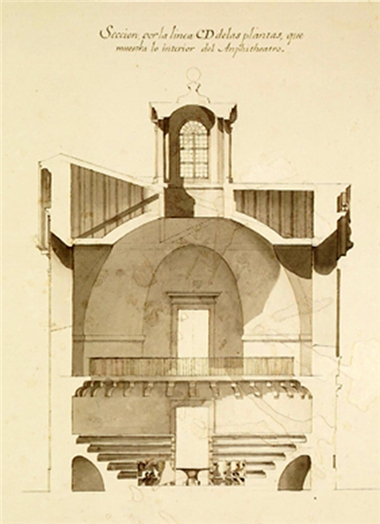
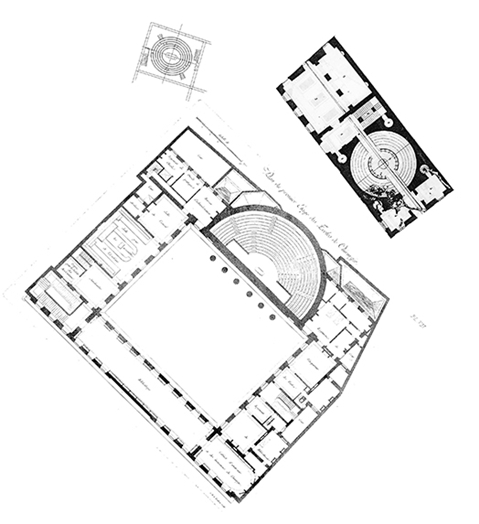

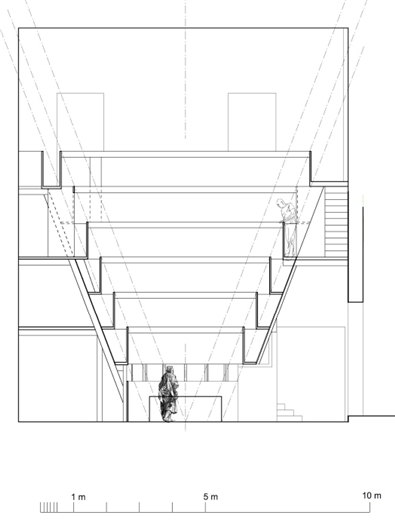
La historia de la conciencia del cuerpo en la arquitectura y las artes, desde los asclepeiones griegos hasta los hospitales modernos, fue consolidada por la investigación anatómica y desarrollada con mayor precisión en arquitecturas destinadas al saber del cuerpo: los teatros anatómicos. Estos espacios fueron organizados entorno a la disección anatómica, centralizados en el cadáver, y oscilaron entre el ocultamiento y la pública escenificación de la performance anatómica, cobijando desde el hombre renacentista hasta el higienista hombre ilustrado. Esas arquitecturas reflejaban las ambiciones de los anatomistas o cirujanos que las gestaron, pero además reflejan el espíritu del tiempo en cuanto a su diseño. Mediante tres obras de arquitectura situadas entre los siglos XVI y XVIII, se puede comprender el medio donde se desarrollaron estas escenas de producción en torno a la conciencia del cuerpo y de su espacio: Padua, con el anfiteatro gestionado por Acquapendente y atribuido a Varotari; Barcelona, ejecutado por Virgili y Rodríguez; y París, erguido gracias a La Martinière y Gondoin.
The history of body consciousness in the architecture and the arts, since the Greek asclepieion to modern hospitals, was strengthened by the anatomical research and developed more accurately in the architecture for the knowledge of the body: the anatomical theaters. These spaces were organized around anatomical dissection, based at the corpse, and ranged between concealment and public staging of the performance anatomy, sheltering from the renaissance man to the hygienist illustrated man. Architectures for theaters reflected the ambitions of the anatomists or surgeons who originated them, but also reflect the spirit of the times in terms of design. By three works of architecture located between the sixteenth and eighteenth century, is possible to understand the media in which these scenes were developed around the production of body consciousness and its space: Padua, with the amphitheater negotiated by Acquapendente and attributed to Varotari, Barcelona, executed by Virgili and Rodriguez, and Paris, build by Lamartiniere and Gondoin.


Arquitecto
Universidad Católica del Norte
XILE
https://sites.google.com/a/ucn.cl/cgaleno/